
The Difference Between Recyclable, Renewable, and Biodegradable Polymer Materials
2023-09-25
As concerns for the environment continue to rise, industries are increasingly prioritizing sustainable solutions in their practices. One area that has seen a lot of focus is the development of high polymer materials that are recyclable, renewable, and biodegradable. These terms are often used interchangeably, but they actually refer to distinct properties that can have different effects on the environment. In this article, we will explain the differences between these three types of high polymer materials and their unique benefits.
Recyclable Polymer Materials
Recyclable polymer materials are those that can be converted into new products after their initial use has ended. These materials are typically made from plastics and can include products such as water bottles, food packaging, toys, and automotive parts. The goal of recyclable polymer materials is to reduce waste and decrease the amount of material that ends up in landfills or oceans. By recycling these materials, they can be used again and again, which helps to conserve resources and reduce greenhouse gas emissions.
One of the key advantages of recyclable polymer materials is their versatility. They can be transformed into a wide variety of products, making them suitable for use in numerous industries. Additionally, recycling these materials can help to reduce the cost of producing new products, as using recycled materials requires less energy and resources.
Renewable Polymer Materials
Renewable polymer materials are those that are derived from renewable sources such as plants, animals or microorganisms. Examples of renewable polymer materials include bioplastics made from corn, sugarcane, and potatoes, and natural rubber made from latex harvested from rubber trees. The advantage of renewable polymer materials is that they can be produced continually without depleting finite resources. Renewable polymer materials can have a lower carbon footprint than traditional materials, as they do not require large amounts of energy to produce.
Another benefit of renewable polymer materials is that they can provide economic opportunities for communities. Natural rubber, for example, is a major source of income for smallholder farmers in countries such as Indonesia, Thailand, and Malaysia.
Biodegradable Polymer Materials
Biodegradable polymer materials are those that can be broken down into natural elements by microorganisms such as bacteria or fungi. These materials can be made from a variety of sources, including plant starch, cellulose, and proteins. Biodegradable polymer materials can be used in products such as food packaging, medical implants, and agricultural films.
The advantage of biodegradable polymer materials is that they can break down relatively quickly when disposed of properly, which can help to reduce waste. Additionally, they can be composted, which can help to enrich soil and promote plant growth. Biodegradable polymer materials can also reduce the risk of marine pollution, as they do not accumulate in oceans or harm marine life.
In conclusion, high polymer materials that are recyclable, renewable and biodegradable offer unique environmental and economic benefits. Recyclable polymer materials help to reduce waste and conserve resources, renewable polymer materials provide a continual supply of materials without depleting finite resources and can provide economic opportunities for communities, and biodegradable polymer materials can reduce waste and promote healthy soil and oceans. It's important to understand the differences between these three types of polymer materials to make informed decisions about using them. With continued innovation and development, we can create sustainable solutions that work for both people and the planet.
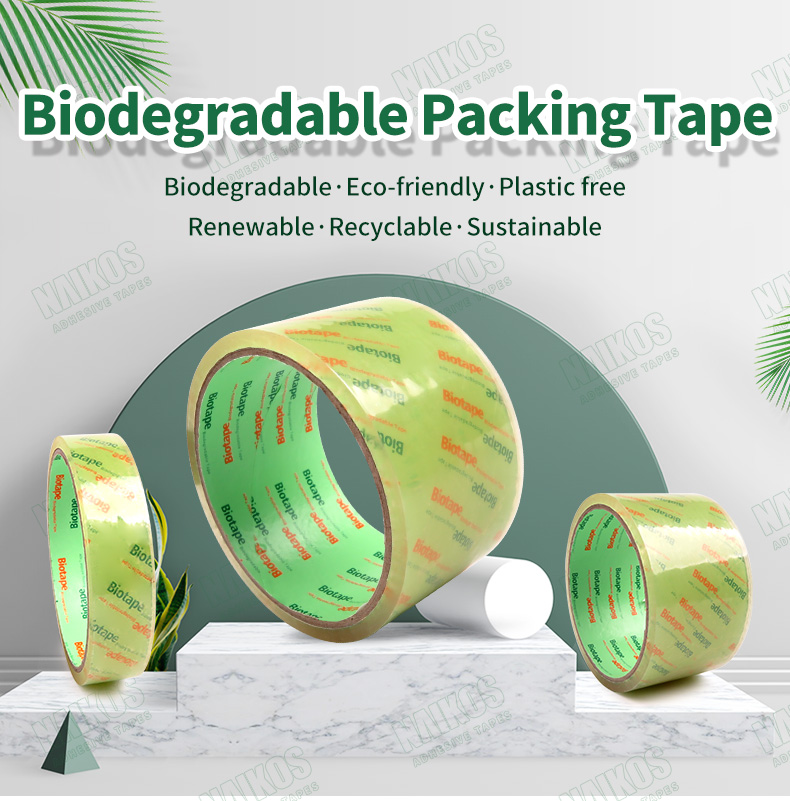
Biodegradable Tape in Asia: A Promising Market
Research Status and Prospects of Degradable Plastic Packaging Materials
Related Article

Biodegradable cellulose tape leads a new trend in environmentally friendly packaging
Biodegradable cellulose tape leads a new trend in environmentally friendly packaging
As the development of electronics industry and the increase in portable electronic devices, the demand for anti-static tapes has increased dramatically. Anti-static tapes are commonly used in various industries, including manufacturing, packaging, transportation, and aerospace.
Research on the Market of Anti-Static Tape in 2024